

Porting existing payment software to Android terminals
Software Development
Software Architecture
Hardware Integration
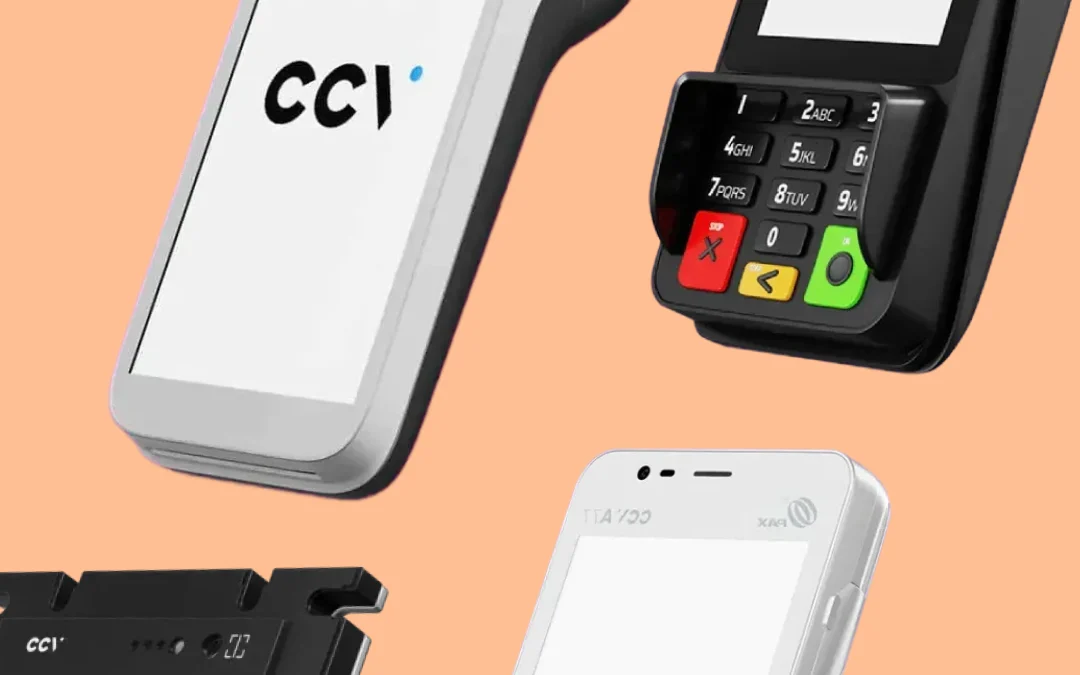
The Android port is the technical basis for a new generation of mobile payment terminals: existing payment software was transferred to Android, with NFC, card payment, and printer connectivity—for greater user-friendliness, new functions, and lower operating costs.
The problem
The following points show the initial situation and the challenges that we gradually addressed and resolved throughout the project.
-
Existing payment software was developed for proprietary hardware
-
No support for modern operating systems or touch inputs
-
Outdated UI not suitable for new usage scenarios
-
High effort required for maintenance and expansion on previous systems
-
Lack of abstraction for hardware components (e.g., NFC, EC, printers)
-
No existing Android compatibility despite market demand
Our expertise
Porting payment software to a new platform requires much more than just technical expertise. In this project, we were able to leverage our strengths in embedded development, hardware connectivity, and modern Android technology—with a focus on stability, performance, and future viability.
Porting Critical Software
to New Platforms
We transfer existing applications to modern operating systems such as Android. In the process, we preserve functional cores, selectively modernize, and create new integration possibilities.
Hardware Integration for
Payment Terminals
Whether NFC readers, EC card readers, or thermal printers: we integrate specialized hardware directly into modern software environments – efficiently, robustly, and with a focus on minimal latency.

Touch Optimization for
Embedded Devices
We develop user-friendly interfaces specifically optimized for touchscreens – also taking into account existing UI logic from previous systems.

Technology Bridges between
Java & C++
We build stable interfaces between modern Android stacks and native C/C++ logic. This allows core functions to be reused efficiently and combined with new UI and system features.

Refactoring &
Platform Consolidation
We transform monolithic legacy systems into modular, maintainable software – aiming to reduce operating costs and facilitate future expansions.
Migration Instead of Rebuilding
Making Legacy Systems Future-Proof
Instead of building everything from scratch, we selectively port existing applications to new platforms. This reduces project risks, lowers costs, and allows faster time-to-market – including full hardware integration.
Which core features have been implemented?

Touch Optimization
Hardware Integration
Latency Minimization
What makes the porting technically special
Porting the payment software to Android required the seamless connection of two technical worlds: on the one hand, established, high-performance C/C++ code from the existing terminal software—on the other hand, modern Android technology with a focus on touch operation and device integration. Our solution combines both sides in a robust, expandable architecture.
Technological Approach


-
Modular Hardware Integration: NFC readers, EC card slots, and thermal printers are controlled individually via customized native interfaces, with a clear separation between business logic and device integration.
-
Touch UI on Android: The user interface was ported to Android and adapted for touch operation – while keeping familiar workflows from the old UI system in mind.
-
Platform-Independent Scalability: Optimized for smartphones and tablets, intuitively usable even for non-tech-savvy users.
Backend & System Integration

-
C/C++ Core is preserved for high-performance processing
-
Direct communication with hardware components under real-time conditions
Hardware Interfaces
-
NFC Reader
-
EC Card Module
-
Thermal Printer
-
Android Touch Display
TECH BLOG
Everything you want to know


Gemeinsam entwickeln wir ein Produkt, das Deine Nutzer wirklich lieben.

Unser Workflow mit der
Kanban Methode
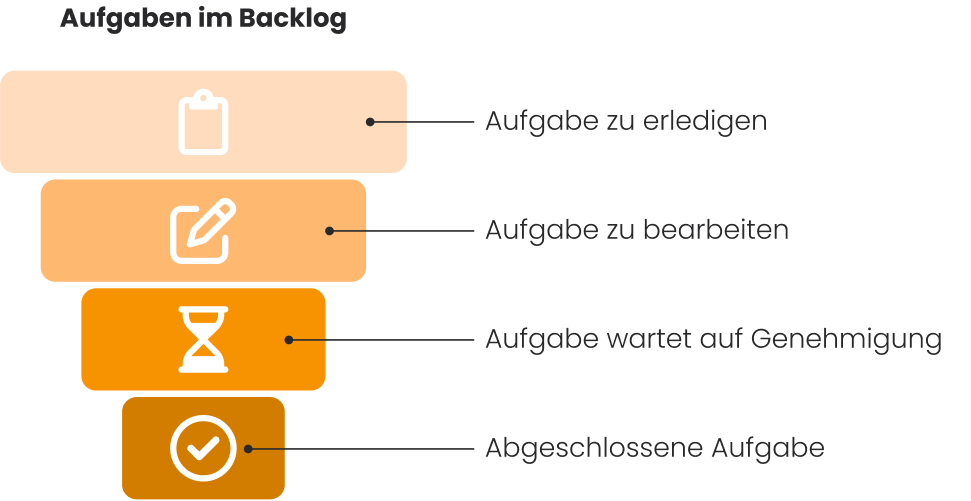
Die Kanban-Methode ist ein agiles Vorgehensmodell zur Visualisierung und Steuerung von Arbeitsprozessen. Aufgaben werden auf einem Board in Spalten wie „To Do“, „In Progress“ und „Done“ dargestellt.
So behalten Teams den Überblick, erkennen Engpässe frühzeitig und steigern ihre Effizienz durch einen kontinuierlichen Arbeitsfluss.
Unsere Referenzen
Von der Idee zur Umsetzung





So, when can we write your success story?
